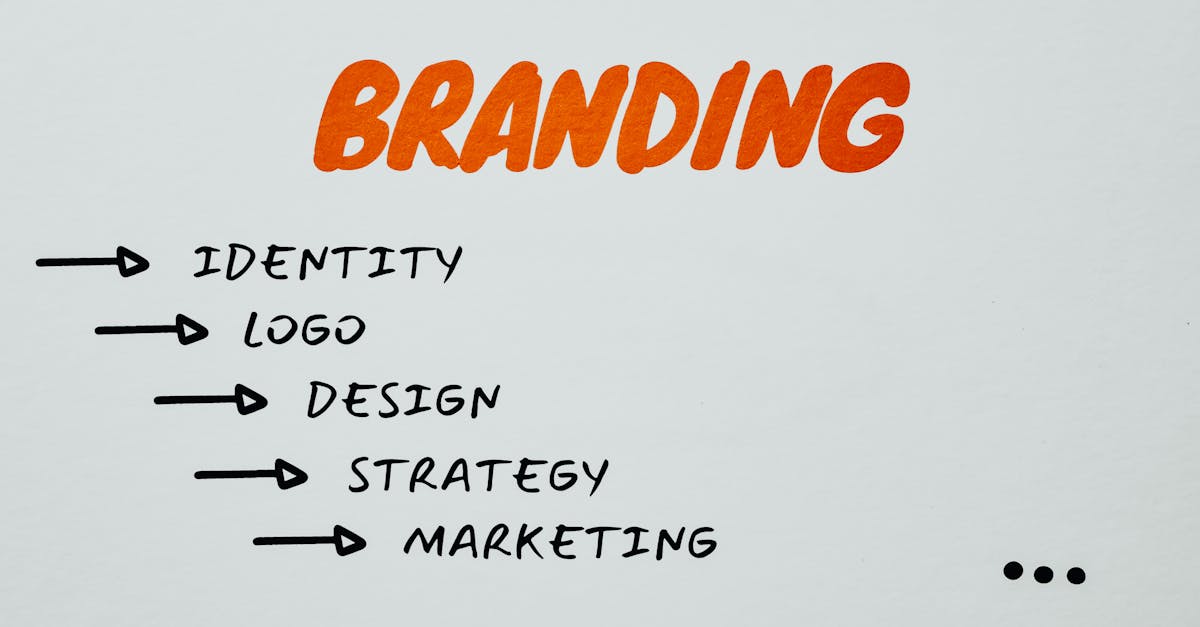
Ever wonder what makes some brands instantly recognizable, the ones that just *feel* right when you see them or interact with them? It’s not magic, and it’s certainly not luck. It’s the result of a meticulously crafted and consistently applied business identity. Think of it as the DNA of your company – it defines who you are, what you stand for, and how you present yourself to the world. In today’s crowded marketplace, simply having a good product or service isn’t enough. You need a powerful identity to cut through the noise, connect with your audience, and foster lasting loyalty. This isn’t just about looking pretty; it’s about building a deep, meaningful relationship with your customers. So, how do you actually go about forging this crucial foundation for your business’s long-term success? Let’s dive in, step by step.
What is Business Identity Anyway? More Than Just a Logo
Before we roll up our sleeves and start building, let’s get crystal clear on what we’re talking about. Business identity is the sum total of how your company perceives itself and how it wants to be perceived by others. It’s the essence of your brand, a complex tapestry woven from various threads. It’s the feeling someone gets when they encounter your business, whether it’s through your website, a social media post, or a personal interaction.
The Core Elements of Your Brand
At its heart, your business identity is built upon a few key pillars. First, there’s your purpose – the fundamental reason your business exists beyond making money. What problem are you solving? What impact do you aim to make? Then comes your mission, which is the actionable plan to achieve that purpose. It outlines what you do, for whom, and how. Your vision is the aspirational future you’re working towards, the ultimate goal that inspires your actions. And finally, your values are the guiding principles that dictate your behavior and decision-making. These aren’t just buzzwords; they’re the bedrock upon which everything else is built. They inform your culture, your strategies, and ultimately, how your identity is expressed.
Why a Strong Identity Matters
So, why should you invest so much energy into this? A strong business identity is your competitive advantage. It differentiates you from the crowd, making you memorable and relatable. It builds trust and credibility – people are more likely to do business with a company they understand and feel a connection with. Furthermore, a clear identity helps attract and retain top talent, as employees want to be part of an organization they believe in. It streamlines your marketing efforts, ensuring every message and visual element is aligned and effective. Think of it like this: if your business were a person, your identity would be its personality, its values, and its style. Would you want to be friends with someone who is inconsistent, uninspiring, or unclear about who they are? Probably not. The same applies to brands.
Step 1: Define Your “Why” Your Purpose and Mission
This is arguably the most crucial starting point. Before you even think about logos or taglines, you need to dig deep and understand the soul of your business. Why did you start this venture in the first place? What impact do you genuinely want to have on the world, or at least on your customers’ lives? This “why” is your North Star, guiding every decision you make and every communication you craft.
Uncovering Your Mission Statement
Your mission statement should be concise, clear, and compelling. It’s a declaration of your business’s purpose and primary objectives. It answers questions like: What do we do? Who do we serve? What makes us different? For instance, a coffee shop’s mission might be “To energize our community by serving ethically sourced, high-quality coffee in a welcoming and inclusive environment.” It’s not just about selling coffee; it’s about the experience and the impact. Take the time to brainstorm with your team, ask tough questions, and distill your core purpose into a statement that resonates. Don’t just write it and forget it; it should be a living document that informs your daily operations.
Articulating Your Vision
Your vision statement is about the future. Where do you see your business going? What do you aspire to achieve? It’s the ambitious dream that fuels your journey. A vision statement for that same coffee shop might be “To become the go-to neighborhood hub for connection and inspiration, fostering a more vibrant and engaged community one cup at a time.” It paints a picture of a desirable future state, inspiring your team and setting a long-term direction. It’s about aspiration, about what success looks like on a grand scale. This helps to keep everyone aligned and motivated, pushing towards a shared, ambitious future.
Identifying Your Core Values
Values are the non-negotiables, the ethical and moral compass of your business. They are the beliefs that guide your actions, decisions, and interactions. Are you committed to sustainability? To innovation? To exceptional customer service? To integrity? These values should be authentic and deeply embedded in your company culture. They influence everything from how you hire employees to how you handle customer complaints. For our coffee shop, core values might include “Community,” “Quality,” “Sustainability,” and “Respect.” When faced with a difficult choice, you can ask, “Which option best aligns with our values?” This provides a framework for consistent and ethical conduct, building trust with both your internal team and your external audience.
Step 2: Know Your Audience Intimately
Who are you actually trying to reach? You can’t build a compelling identity in a vacuum. Understanding your target audience is paramount. It’s like trying to have a meaningful conversation without knowing who you’re talking to; you’ll likely miss the mark entirely. You need to know their hopes, their fears, their aspirations, and their pain points.
Creating Buyer Personas
A buyer persona is a semi-fictional representation of your ideal customer. It’s not just about demographics like age and location, but also about psychographics – their motivations, interests, challenges, and goals. Give your persona a name, a job title, and a story. For example, “Sarah, the Busy Professional,” a 35-year-old marketing manager who values convenience, quality, and ethical sourcing, and struggles to find time for healthy meals. By developing several such personas, you can better understand who you’re speaking to and tailor your brand’s message and offerings accordingly. This makes your communication much more targeted and effective, like speaking directly to an individual rather than shouting into a crowd.
Understanding Their Needs and Desires
Once you have your personas, delve deeper into what truly matters to them. What problems are they trying to solve? What are they looking for in a product or service like yours? What are their unmet needs? Your business identity should speak directly to these needs and desires. If Sarah values convenience, your brand should communicate how you make her life easier. If she cares about ethical sourcing, highlight your commitment to those practices. This is about empathy – putting yourself in your audience’s shoes and showing them that you understand and can provide what they’re looking for. It’s about building a bridge of shared understanding and value.
Step 3: Craft Your Unique Brand Voice and Personality
Now that you know who you are and who you’re talking to, it’s time to figure out *how* you’ll communicate. This is where your brand voice and personality come into play. It’s the way your brand sounds and the characteristics it projects.
What is Brand Voice?
Brand voice is the consistent way your brand communicates through words. Is it friendly and casual, or formal and authoritative? Is it witty and humorous, or serious and sophisticated? Think about your favorite brands – how do they sound? That’s their voice. It should align with your brand’s purpose, values, and target audience. A playful brand selling children’s toys will have a very different voice than a financial institution offering investment services. Imagine trying to have a serious business conversation with someone who is constantly cracking jokes – it would be jarring and undermine their credibility. The same principle applies to your brand’s communication.
Developing Brand Personality
Brand personality is the human-like characteristics you want your brand to embody. Is it innovative and cutting-edge? Reliable and trustworthy? Playful and adventurous? Empathetic and caring? This personality should be reflected in all aspects of your brand, from your website copy to your social media interactions. A strong brand personality makes your brand more relatable and memorable. It helps customers connect with you on an emotional level. Consider the difference between interacting with a grumpy cashier and a cheerful, helpful one; the latter leaves a much better impression and encourages repeat business. Your brand personality should be a deliberate choice, an extension of your core identity.
Ensuring Consistency Across Channels
This is where the rubber meets the road. Once you’ve defined your voice and personality, you need to apply them *consistently* everywhere your brand appears. This includes your website, social media posts, email marketing, advertising, customer service scripts, and even internal communications. Inconsistency breeds confusion and erodes trust. If your website sounds professional but your social media is overly casual and uses slang, your audience will be bewildered. Imagine meeting someone who acts completely differently depending on who they’re talking to; you’d question their authenticity. Sticking to your defined voice and personality across all touchpoints builds recognition and reinforces your brand identity, making it feel solid and dependable.
Step 4: Design Your Visual Identity
Words are powerful, but visuals are often the first impression a customer gets. Your visual identity is the collection of graphic elements that represent your brand. It’s the aesthetic that brings your brand to life and makes it instantly recognizable.
Logo Design: Your Brand’s Face
Your logo is often the most recognizable element of your brand. It should be simple, memorable, versatile, and reflective of your brand’s essence. A good logo is like a well-crafted business card for your brand. It should work well in various sizes and contexts, from a tiny favicon on a website to a large banner. Consider the logos of major brands – they are often simple yet incredibly impactful. For example, the Nike swoosh, the Apple bite, or the McDonald’s golden arches. They convey so much with so little. Invest time and resources in creating a logo that truly represents your business and appeals to your target audience.
Color Palette and Typography
Colors evoke emotions and associations. Your brand’s color palette should be carefully chosen to reflect your brand personality and appeal to your target audience. For instance, blue often conveys trust and stability, while red can suggest passion or urgency. Typography, or the choice of fonts, also plays a significant role. A classic serif font might evoke tradition and sophistication, while a modern sans-serif font can feel clean and approachable. Using a consistent color palette and typography across all your materials creates a cohesive and professional look. It’s like wearing a well-coordinated outfit; it signals attention to detail and a strong sense of style. These elements work together to create a recognizable and consistent visual language for your brand.
Imagery and Iconography
The images, illustrations, and icons you use are also crucial components of your visual identity. Do your photos feature happy, diverse people, or are they more abstract and artistic? Do your icons feel modern and sleek, or more handcrafted and organic? The imagery should align with your brand’s personality and message. For example, a brand focused on adventure might use dynamic, action-packed photography, while a wellness brand might opt for calming, natural imagery. Consistent use of specific styles of imagery and iconography helps reinforce your brand’s look and feel. It’s about creating a visual language that your audience learns to associate with your brand, building a strong, memorable impression.
Step 5: Build Your Brand Experience
Your business identity isn’t just what you say or how you look; it’s how people *feel* when they interact with your brand at every touchpoint. This is the brand experience.
Customer Service as a Brand Touchpoint
How you treat your customers is a direct reflection of your brand identity. Are your customer service representatives friendly, helpful, and efficient? Or are they unhelpful and dismissive? Exceptional customer service can turn a one-time buyer into a loyal advocate. Conversely, poor service can quickly tarnish your brand’s reputation. Think about the brands you love going back to; often, it’s because of how you’re treated. Your customer service is a living, breathing manifestation of your brand’s values. If you value respect, ensure your service interactions demonstrate that respect. This is where your brand promise is either fulfilled or broken, making it incredibly impactful.
The Online Experience: Website and Social Media
Your website is often the first in-depth interaction a potential customer has with your brand. Is it easy to navigate? Is the information clear and compelling? Does it reflect your visual identity? Similarly, your social media presence is a critical touchpoint. Are you engaging with your audience? Is your content consistent with your brand voice and personality? A seamless and positive online experience builds trust and encourages engagement. It’s like a well-designed physical store; it invites people in and makes them feel comfortable and valued. Conversely, a clunky website or a neglected social media profile can send people running for the hills. Every click, every scroll, every comment is an opportunity to reinforce your identity.
Physical Presence (If Applicable)
If your business has a physical location, this is a powerful extension of your brand identity. The decor, the ambiance, the staff’s uniforms, the music playing – all these elements contribute to the overall experience. A boutique might have a chic, minimalist design, while a family restaurant might have a warm, inviting atmosphere. Ensure that your physical space aligns with your brand’s visual identity and intended experience. It’s about creating a consistent sensory journey for your customers, whether they’re interacting with you online or in person. This holistic approach ensures that every interaction reinforces who you are.
Step 6: Communicate Your Identity Consistently
Building a strong identity is one thing; consistently communicating it is another. This requires a strategic and unified approach across all your marketing and communication efforts.
Content Marketing and Storytelling
Content marketing is a fantastic way to showcase your brand’s personality, values, and expertise. Through blog posts, videos, podcasts, and infographics, you can tell your brand’s story, share valuable insights, and connect with your audience on a deeper level. Your content should always align with your brand voice and visual identity. For instance, if your brand is about empowering individuals, your content should be inspiring and action-oriented. Storytelling is particularly powerful because humans are hardwired for narratives. Sharing your brand’s journey, customer success stories, or behind-the-scenes glimpses can create emotional resonance and build a strong connection. It’s not just about selling; it’s about building relationships through shared meaning.
Social Media Engagement
Social media platforms are dynamic environments for communicating your brand identity. It’s not just about broadcasting your message; it’s about engaging in conversations. Respond to comments and messages promptly and in your brand’s voice. Share content that resonates with your audience and reflects your brand’s values. Run polls, ask questions, and foster a sense of community. A consistent and engaging social media presence can transform passive followers into active brand advocates. It’s like being at a party; you wouldn’t just stand in the corner not talking to anyone. You’d mingle, engage, and share your personality. This active participation is key to building a vibrant online identity.
Advertising and Promotions
Every advertisement, every promotional campaign, is an opportunity to reinforce your brand identity. Ensure that your ad copy, visuals, and messaging are all aligned with your established brand voice, personality, and visual style. If your brand is about affordability, your ads should reflect that. If it’s about luxury, the aesthetic should exude sophistication. Consistency in advertising builds brand recognition and prevents confusion. It’s like a recurring theme in a symphony; it brings coherence and familiarity to the overall composition. When your advertising consistently reflects who you are, customers learn to trust and anticipate what you offer.
Step 7: Measure and Evolve
Building a business identity isn’t a one-time project; it’s an ongoing process. The market changes, your audience evolves, and your business grows. Therefore, it’s essential to measure the effectiveness of your identity and be willing to adapt.
Gathering Feedback
Actively seek feedback from your customers and employees. What do they think of your brand? How do they perceive it? Surveys, social media polls, and direct conversations can provide invaluable insights. Understanding how your identity is being received helps you identify areas for improvement. It’s like getting a performance review; you need to know what you’re doing well and where you can do better. This feedback loop is crucial for ensuring your identity remains relevant and resonates with your audience. Don’t be afraid of constructive criticism; it’s an opportunity to refine and strengthen your brand.
Tracking Brand Awareness
Monitor how well your brand is recognized and remembered. This can involve tracking mentions on social media, website traffic, and direct inquiries. Are more people talking about your brand? Do they understand what you offer and what you stand for? Measuring brand awareness helps you gauge the effectiveness of your communication efforts. Are your campaigns reaching the right people and making an impact? Tools like Google Analytics and social media monitoring platforms can be incredibly useful for this. It’s like checking your pulse; it tells you if your brand is alive and well in the minds of your audience.
Adapting to Market Changes
The business landscape is constantly shifting. New competitors emerge, consumer preferences change, and technological advancements disrupt industries. Your business identity needs to be flexible enough to adapt to these changes while remaining true to its core. This doesn’t mean abandoning your identity, but rather evolving it to stay relevant. For example, a fashion brand might adapt its messaging to reflect new sustainability trends, or a tech company might update its visual identity to reflect a more user-friendly interface. Agility is key to long-term survival and success. Think of it like a chameleon; it changes its colors to blend in and thrive in its environment, without losing its fundamental nature. This strategic evolution ensures your brand remains strong and impactful over time.
Conclusion: Your Identity is Your Legacy
Building a strong business identity is a journey, not a destination. It requires introspection, strategic planning, consistent execution, and a willingness to evolve. By defining your purpose, understanding your audience, crafting a unique voice and visual style, and consistently delivering a positive brand experience, you create more than just a business; you create a lasting impression. Your identity is your promise to your customers, your guiding light for your team, and ultimately, the foundation of your legacy. Invest in it wisely, nurture it consistently, and watch your business thrive.
Frequently Asked Questions
How long does it take to build a strong business identity?
Building a strong business identity is an ongoing process that takes time and consistent effort. While foundational elements like defining purpose and values can be established relatively quickly, developing widespread recognition and deep customer connection can take months or even years. It’s a marathon, not a sprint, requiring continuous nurturing and adaptation.
Can a small business afford to build a strong identity?
Absolutely! Building a strong identity doesn’t necessarily require a massive budget. Many impactful strategies, like defining your core values, understanding your audience deeply, and focusing on excellent customer service, are low-cost but high-impact. While professional design for logos and branding might involve an investment, the principles of identity building are accessible to businesses of all sizes. Prioritization and smart resource allocation are key.
What happens if my business identity is inconsistent?
Inconsistency is like a crack in your brand’s foundation. It erodes trust, confuses your audience, and weakens your brand’s overall impact. Customers won’t know what to expect from you, making it harder for them to form a connection. This can lead to lost sales, poor customer retention, and a damaged reputation. Think of it as a person who says one thing and does another; you’d quickly lose faith in them.
How do I rebrand if my current identity isn’t working?
Rebranding is a significant undertaking, but it’s often necessary if your current identity isn’t resonating. Start by thoroughly analyzing why it’s not working. Gather feedback from your audience and stakeholders. Then, go back to basics: revisit your purpose, mission, vision, and values. Develop a new brand voice, visual identity, and messaging that better align with your business goals and target audience. Communicate the changes clearly and consistently to manage the transition effectively.
What is the difference between branding and identity?
While often used interchangeably, they are distinct. Business identity is the internal and external perception of who your company is its core essence, values, and purpose. Branding is the strategic process of shaping that identity in the minds of consumers. It’s the active communication of your identity through visuals, messaging, and experiences to create a distinct and memorable presence. Think of identity as the person, and branding as how that person presents themselves to the world.